
World Suicide Prevention Day
 The 10th of September is World Suicide Prevention Day. Organised by the International Association for Suicide Prevention (IASP) the purpose of this day is to raise awareness around the globe that suicide can be prevented.
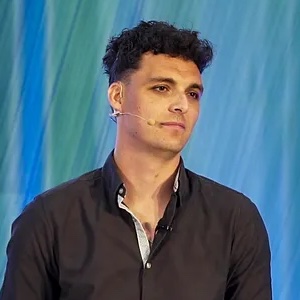
Ahead of the day Rob Hosking, a former front line police officer and now international TEDx Motivational Speaker has kindly allowed us to share the article he has written about how psychologically safe workplaces can save lives and shares some of his own story too.
“Psychologically Safe Workplaces Can Save Lives—Here’s How I Know” By Rob Hosking
I used to think being “fine” was enough. I used to think bottling things up made me strong. And I used to work in a place, like so many people still do, where opening up felt like a risk, not a relief.
This isn’t a theoretical conversation for me. I’m not writing this from a textbook. I’ve stood on the edge. I know how it feels. I’ve been at that breaking point. And what I needed most back then wasn’t a hotline number. It was a culture, at work, that said: “It’s okay to speak. You’re safe here.”
As Suicide Prevention Day approaches, I want to speak directly to leaders, workplaces, and anyone with influence over others’ wellbeing. Because the truth is this:
Psychologically safe cultures don’t just improve performance. They can save lives.
Don’t get me wrong, I believe progress has been made over the years. Mental health is more talked about now than it’s ever been. But scratch the surface, and there’s more work to be done. Especially among high performers. Especially among men. Especially in the workplace.
I see it when I speak at events. I see it when someone comes up to me after a talk, usually after everyone else has gone, and says, “Thanks for saying that. I’ve never told anyone, but…”
There’s always a “but.”
They were struggling in silence. They’d had thoughts they were ashamed of. They’d put on a mask every day, just like I did, because their culture didn’t make space for honesty.
We’re not talking about people who are visibly “unwell.” We’re talking about people hitting targets, leading teams, showing up every day, and slowly falling apart behind the scenes.
Suicide Doesn’t Always Look Like Struggle
When I was in the police, I saw trauma up close. I witnessed the aftermath of suicide. I held grieving family members. I responded to the calls no one wants to get. But what shocked me the most wasn’t the loss itself; it was how often no one saw it coming.
And then I nearly became one of those stories.
In July 2018 I felt like I couldn’t go on. I had convinced myself that the world would be better off without me. That I was broken beyond repair. That I had no way out. I just wanted the pain and the darkness to stop.
But I still went to work. Still smiled at people. Still looked “fine.”
You see, suicide doesn’t always announce itself with tears or time off. Sometimes, it walks into your morning meeting in a smart suit. Sometimes it cracks a joke in the breakroom.
That’s why psychologically safe workplaces are everything. Because you don’t always know who’s struggling. So, we need cultures that assume anyone could be.
What Does a Psychologically Safe Culture Actually Look Like?
Psychological safety means people can speak up without fear, without judgement. Not just about work. About life. About when they’re not okay, about when they’ve made a mistake or even when they simply just don’t know.
It means…
- Leaders go first. You don’t build trust by preaching it. You build it by living it. Sharing your own vulnerability doesn’t make you weak. It makes you relatable, and it opens the door for others. The thing I always say is this- Vulnerability breeds vulnerability.
- Mistakes aren’t punished; they’re discussed. People shouldn’t fear losing their job because they admitted they were overwhelmed. Feedback should feel like support, not shame.
- Wellbeing isn’t a buzzword, it’s embedded. Are you making mental health check-ins part of your routine? Are you training your leaders in how to handle disclosures? Are you really listening?
If your workplace only rewards productivity but ignores pain, it’s time to change the culture. Because people are more than their output. They’re human beings.
“But We’ve Got an EAP…”
Yeah. I’ve heard this one a lot.
Having an Employee Assistance Programme is great. Keep it. Promote it. But here’s the thing: if your culture doesn’t feel safe, no one’s picking up the phone.
People need to feel psychologically safe before they ever access support.
They need to know that asking for help won’t damage their career, reputation, or relationships at work. They need to know it’s normal. That it’s okay.
I say this often in my talks: prevention is about space.
Space to speak.
Space to pause.
Space to breathe.
The Role of Employers in Suicide Prevention
Workplaces have a duty to do better. Not because it’s trendy. Not because it ticks a box. But because we’re dealing with life and death. We are dealing with people. Creating a safe culture won’t guarantee you’ll catch every person at risk. But it dramatically increases the chance that someone will speak before they spiral.
And sometimes, one conversation is all it takes to change the outcome. Suicide prevention is a leadership issue. Great leaders drive performance yes, but they also create trust. They make it okay to not be okay.
If you’re in a position of leadership, ask yourself:
- When was the last time I asked someone how they really are—and gave them space to answer?
- What happens in my team when someone struggles? Do they get support, or silence?
- Do I lead with honesty, or do I hide behind the mask of “busy”?
Because here’s the reality: you set the tone.
If you want your team to open up, you have to go first.
My Message This Suicide Prevention Day
If I could stand in every workplace on this planet and say just one thing, it would be this:
Create the kind of culture you’d want your best friend to work in if they were on the brink. Because someone in your team might be. They might not tell you. But they’ll feel it, whether you’re a safe person or not. So this Suicide Prevention Day, don’t just post a message. Don’t just light a candle.
Start the work. Build the culture. Lead the change. Lives depend on it.
If you’d like to bring this message into your organisation this September, please contact us on enquiries@scampspeakers.co.uk or visit Robs webpage to learn more